
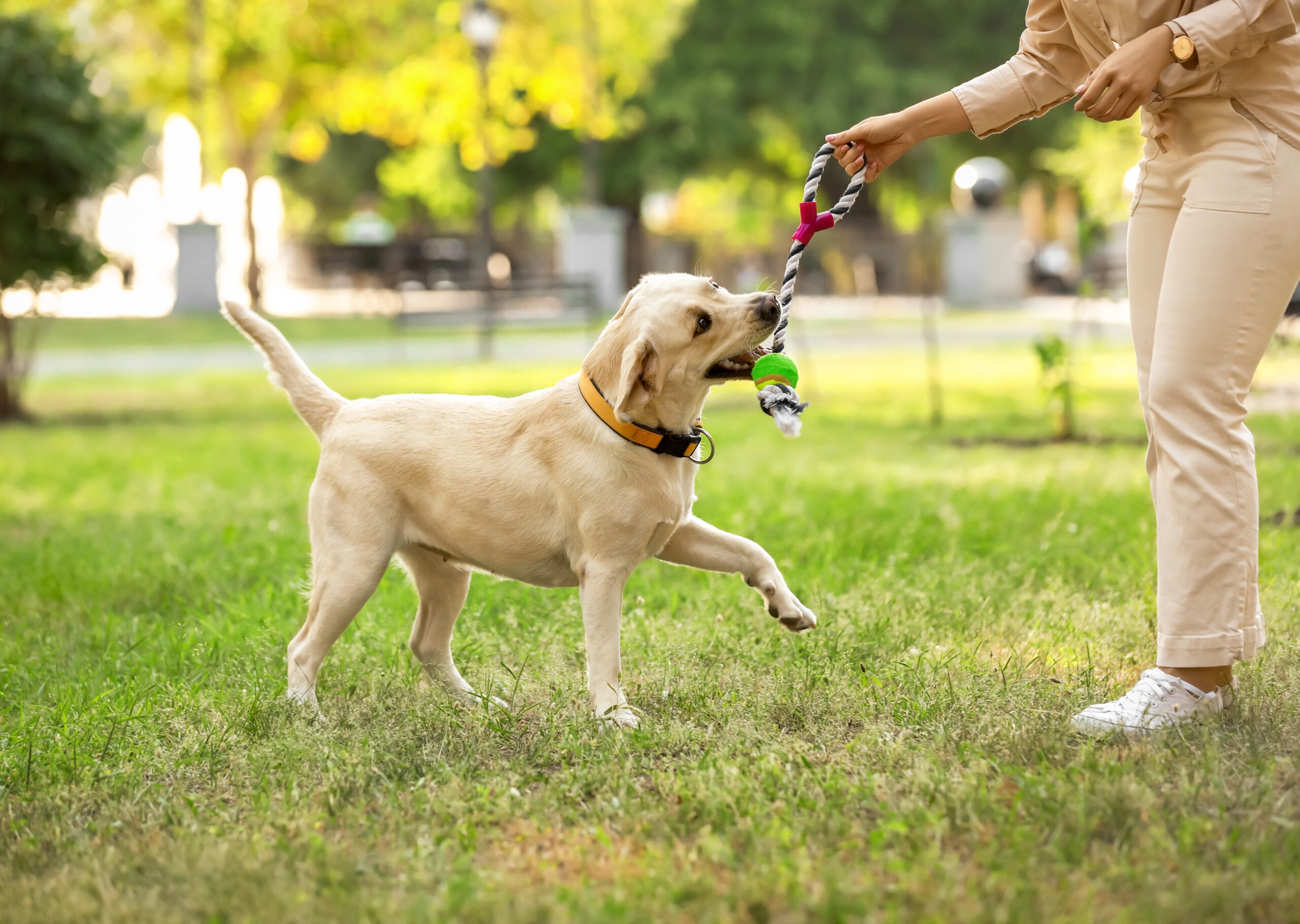
¡No a las prohibiciones! Defiende las ventas de mascotas en Coconut Creek!
Dile los concejales de Coconut Creek que voten NO a la Propuesta Ordenanza No. 2026-005, que limita la venta de perros y gatos.
Dile los concejales de Coconut Creek que voten NO a la Propuesta Ordenanza No. 2026-005, que limita la venta de perros y gatos.
Esta propuesta impide que se vendan mascotas criadas localmente en tiendas de la ciudad y pone reglas mucho más duras a los criadores aficionados.
Esta propuesta quita las ventas transparentes y reguladas de mascotas, pero no toca para nada las ventas ilegales y sospechosas que se hacen online, aunque sus defensores digan lo contrario.
Todavía hay leyes que protegen la cría de mascotas y exigen inspecciones.
Sin embargo, sería mucho mejor que los oficiales de Coconut Creek se dedicaran a hacer cumplir las regulaciones que ya tenemos, de forma justa y equitativa.
Esta ordenanza propuesta hace lo siguiente:
- Elimina la última forma segura y legal que tienen las familias para comprar un perrito en tiendas locales.
- Obliga a las personas a buscar mascotas en internet o Facebook, donde hay muchas estafas.
- Confunde completamente el origen de los perritos, sin dar ninguna garantía.
What Are Pet Bans?
Pet bans don’t ban pets outright, but they make it harder to get one. Typically, these laws ban stores from selling dogs, cats, and rabbits. Increasingly, these laws ban guinea pigs and other pets, too. A recent law in D.C. bans the sale of mammals, reptiles, amphibians, and birds.
Advocates claim these laws help pets, but it’s the opposite: They actually hurt pets.
Here’s how these laws hurt pets:
Losing Legal Protection
Pet stores are the most regulated and transparent source of pets. Stores offer warranties and protections for consumers that shelters and rescues don’t. Laws that ban sales at pet stores cause families to turn to less regulated sources where they have less protections. Some even become victims of online scams.
Scams
After California passed a statewide ban on stores selling pets, reports of pet scams went up 350%. According to a Veterinarians.org analysis, “California is the state with the most reported puppy scams.”
Foreign Puppy Mills
The Centers for Disease Control reports that puppies are being trafficked into the U.S. from abroad. Puppies are bred in foreign “puppy mills” before being imported as “rescue” dogs.
Deadly Conditions?
Animals can die during long transports from abroad. In 2020, a plane landing in Toronto with 500 French bulldog puppies had dozens of dead puppies die during transit.
Better Solutions
People are rightly seeking to ensure the welfare of animals sold through stores. The way to do this is to address animal welfare directly. Banning stores from selling animals only creates a black market where there is less protection for animals. After all, Prohibition didn’t stop moonshiners–it helped them.
Effective solutions include:
Third-Party Certification
Consumers should support efforts to develop and implement certification programs based on sound science and demonstrated data. This is one of the most effective ways to protect animal welfare and consumers.
Transparency
Some states require pet stores to provide information about which breeders animals come from. This transparency helps ensure that dogs come from breeders in good standing.
Good Regulation
Breeders that sell across state lines must be inspected and regulated by the USDA. Almost all states that are major breeding states have additional regulations of dog breeding. But federal import regulations are lax, which makes it easy for pet traffickers. The USDA estimates more than 1 million dogs are brought into the country every year–and less than 1 percent fall under Animal Welfare Act regulations. The CDC reports that pet traffickers have found loopholes to federal regulation. The Healthy Dog Importation Act would close loopholes used by traffickers.

Ready To Help?
Tell your legislators to oppose pet bans!